


A $1 Million Condo Shouldn’t Feel Normal in Orange County — But Somehow It Does in 2026
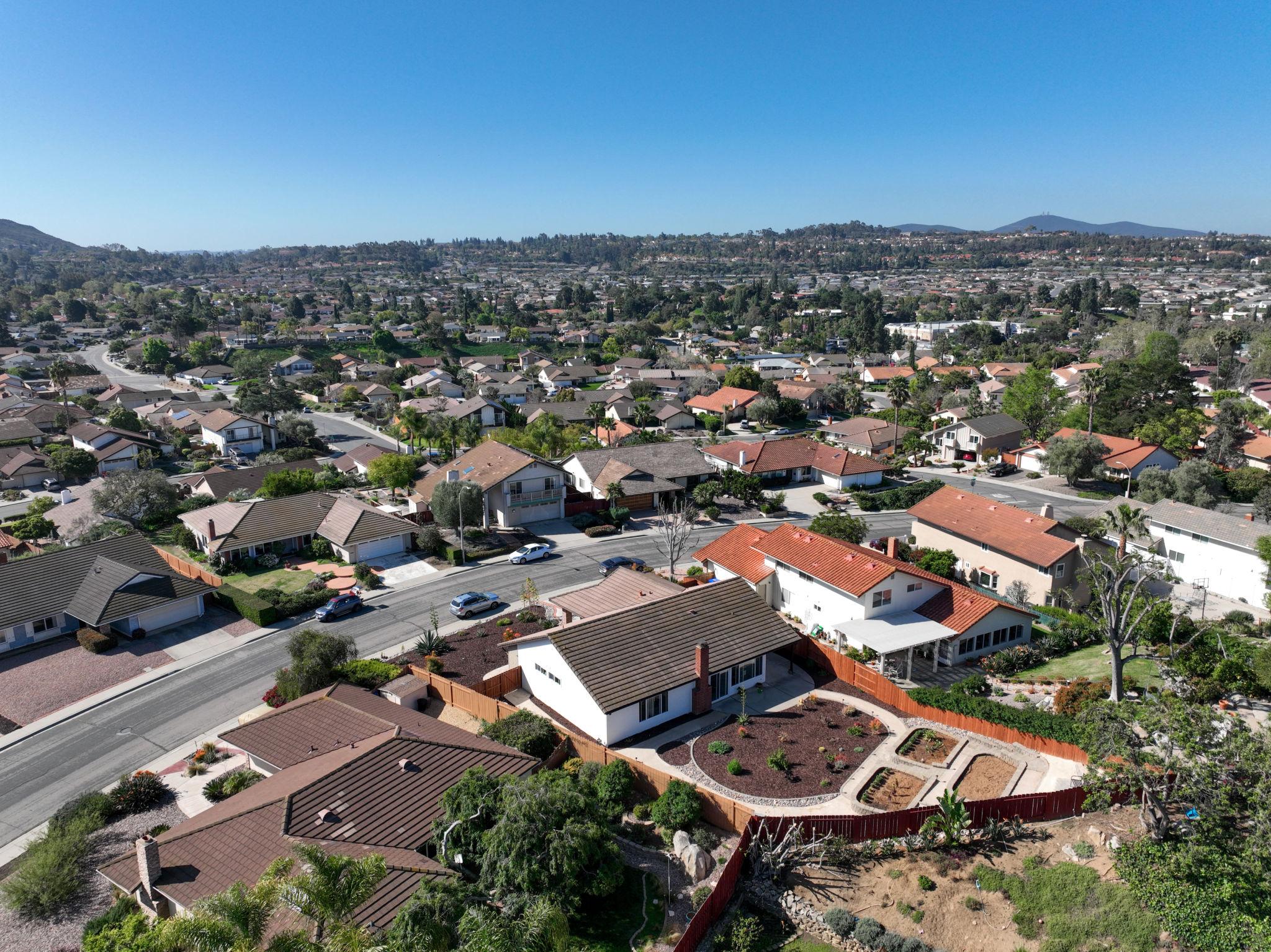
There’s a moment happening right now for a lot of Orange County buyers.
It usually starts the same way.
Someone opens Zillow thinking they’re finally ready to buy their first home. Maybe they’ve been saving for years. Maybe they finally got a raise. Maybe they thought this was the year things would become more manageable.
Then they start looking.
And suddenly they realize something that feels completely disconnected from reality:
In parts of Orange County, a basic condo is now approaching — or already above — $1 million.
Not a luxury penthouse.
Not a dream home.
A starter home.
And for a lot of buyers, that realization is creating a level of financial and emotional pressure that is quietly reshaping the entire Orange County market.
The Orange County Dream Is Starting to Feel Different
For years, Orange County represented a certain kind of life.
People moved here for:
- strong schools,
- safe neighborhoods,
- good weather,
- opportunity,
- and the belief that if you worked hard enough, you could eventually buy a home here.
Now many buyers are starting to wonder if that version of Orange County still exists.
Because the conversation has changed.
People are no longer asking:
“What neighborhood do we want?”
They’re asking:
“Can we realistically stay in Orange County at all?”
That shift matters more than most sellers realize.
Buyers Aren’t Shocked by Prices Anymore — They’re Exhausted by Payments
This is where the market psychology has changed dramatically.
A few years ago, people focused mostly on price.
Today, buyers are focusing on monthly survival.
Because once buyers factor in:
- mortgage rates,
- property taxes,
- HOA dues,
- insurance,
- and basic monthly costs,
the payment shock becomes very real.
And this is happening even for buyers with strong incomes.
In cities like Irvine, buyers are seeing attached homes and condos reaching numbers that would have purchased significantly larger detached homes just a few years ago.
That changes buyer behavior immediately.
People hesitate longer.
They compare harder.
They negotiate more aggressively.
And they walk away faster when something feels overpriced.
Orange County Is Quietly Splitting Into Two Markets
This is one of the biggest shifts happening right now — and most people still aren’t talking about it enough.
Orange County is no longer moving as one market.
Instead, it’s starting to separate into two very different realities:
The markets buyers WANT
and
The markets buyers can still AFFORD
That gap is changing where demand is flowing.
A lot of buyers who originally wanted:
- Irvine,
- Newport Beach,
- or coastal Orange County
are now quietly expanding into:
- Fullerton
- Buena Park
- Garden Grove
- Westminster
- Santa Ana
- Brea
not necessarily because they planned to…
but because those areas still feel emotionally and financially possible.
That’s why some North Orange County and central Orange County cities continue seeing strong activity while higher-priced areas are becoming far more selective.
The Definition of a “Starter Home” Has Completely Changed
This may be the biggest mindset shift happening in Orange County real estate.
A few years ago, buyers thought of starter homes as temporary stepping stones.
Now?
Many buyers are approaching them like long-term homes because they’re no longer confident they’ll ever “move up” later.
That changes everything.
Now buyers are analyzing:
- schools,
- commute patterns,
- HOA structures,
- layout functionality,
- future family needs,
- and long-term resale value
before buying what used to be considered a basic entry-level property.
Orange County buyers are no longer shopping casually.
They’re shopping defensively.
Sellers Are Starting to Misread the Market
This part is important.
A lot of homeowners still believe:
“Inventory is low, so my home will sell no matter what.”
But buyers in 2026 are emotionally drained.
They are:
- financially stretched,
- hyper-comparative,
- payment-sensitive,
- and far less forgiving than they were during the ultra-competitive years.
That means even desirable homes can lose momentum quickly if they miss the mark on pricing or presentation.
And once a listing sits too long, buyers notice immediately.
That’s when the questions start:
- “What’s wrong with it?”
- “Why hasn’t it sold?”
- “Are they overpriced?”
- “Will they take less?”
That’s where sellers lose leverage.
The Emotional Side of This Market Is Becoming Impossible to Ignore
This isn’t just a financial story anymore.
It’s emotional.
People who grew up in Orange County are realizing they may not be able to buy where they imagined they would.
Parents are helping adult children more than ever.
Couples with strong incomes still feel stretched.
And many buyers are quietly asking themselves:
“Did we miss our chance?”
That emotional pressure is influencing almost every part of the market right now:
- how people search,
- how long they wait,
- what they compromise on,
- and where they ultimately decide to buy.
The Buyers Who Adapt Fastest Will Have the Advantage
The Orange County dream hasn’t disappeared.
But it has changed.
The buyers who are succeeding right now are the ones adapting fastest:
- expanding search areas,
- thinking long-term,
- focusing on payment instead of ego,
- and understanding how dramatically buyer psychology has shifted.
Because in today’s market, understanding emotion matters almost as much as understanding pricing.
And the biggest mistake buyers and sellers can make right now is assuming Orange County real estate still works the way it used to.
Check out this article next

🚨 Why Your House Isn’t Selling in Orange County (2026 Real Market Breakdown)
If your home isn’t selling right now in Orange County, you’re not alone—but you are at risk of making a mistake that could cost you…
Read Article