


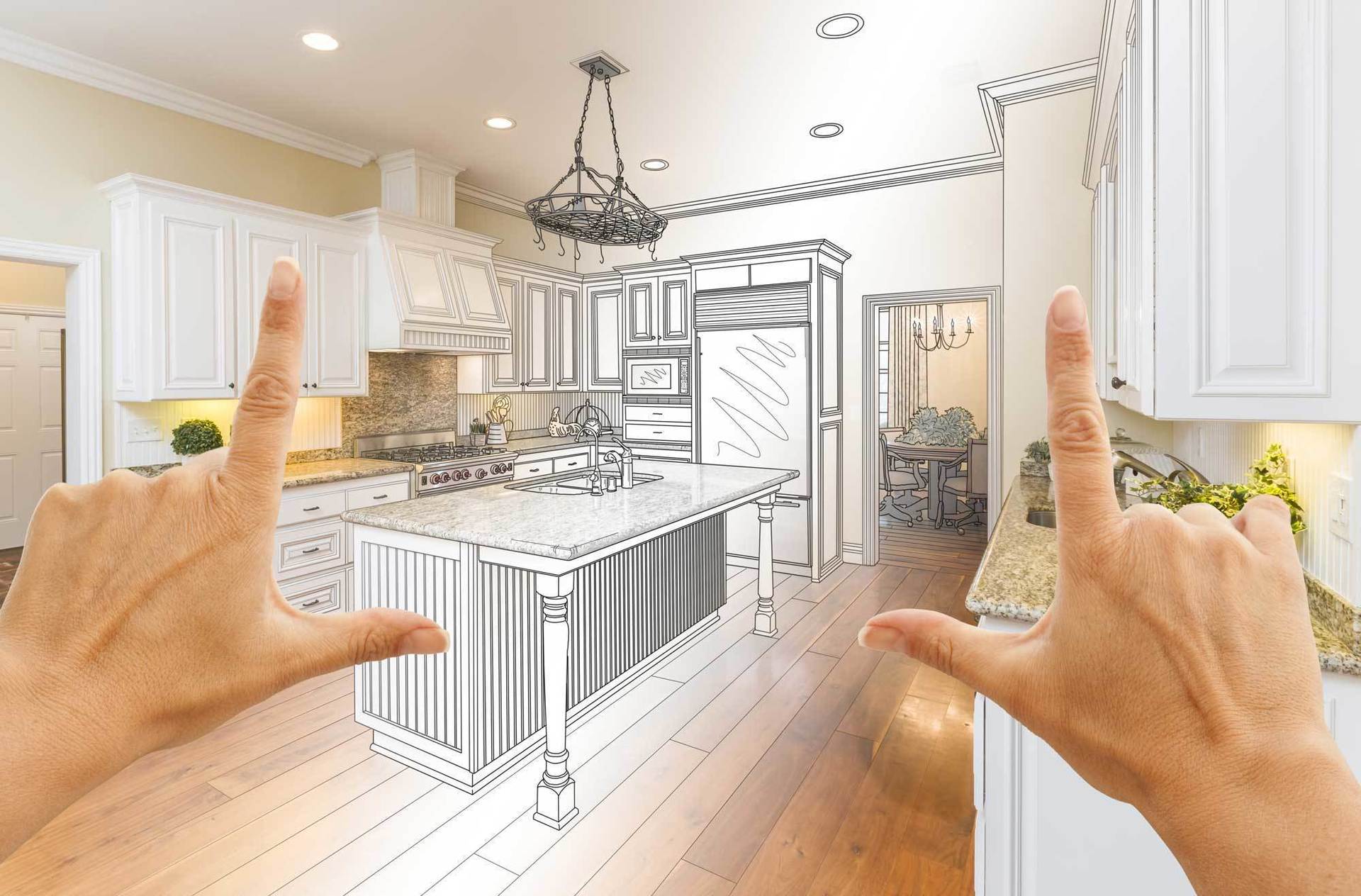
Most homeowners leave thousands of dollars on the table when they sell their house, simply because they don't know which updates actually matter to buyers. The difference between a strategic renovation and throwing money at random projects can mean the gap between breaking even and walking away with serious profit. Smart sellers understand that boosting ROI before selling isn't about gut renovations or expensive designer finishes - it's about making calculated moves that speak directly to what buyers want most. This guide reveals which home improvements deliver the highest returns based on current market research, helping you prioritize updates that actually move the needle on your selling price. You'll discover how to align your renovation budget with local market demands, avoid costly mistakes that drain your wallet without adding value, and identify the specific projects that consistently inspire buyers to pay more. We'll explore everything from minor kitchen tweaks that can return 80% of your investment to bathroom updates that buyers notice immediately. The key lies in understanding your local market dynamics and making strategic choices that appeal to the largest pool of potential buyers. Real estate experts consistently see certain patterns in what drives buyer interest and willingness to pay premium prices. Rather than guessing which updates will pay off, you'll learn to make data-driven decisions that transform your home into a buyer magnet. Ready to discover which specific improvements can add the most value to your home sale?
Focus on Curb Appeal First
Buyers form their opinion about your home within seconds of arriving at your property, and that initial judgment heavily influences their willingness to pay your asking price. The exterior of your home serves as the gateway to everything else, creating an emotional connection that can inspire buyers to envision themselves living there. When potential buyers drive up to a well-maintained property with fresh paint, manicured landscaping, and updated fixtures, they immediately feel confident about the home's overall condition and care.
Several exterior improvements consistently deliver exceptional returns on investment, making them the smartest starting point for any seller:
These improvements work together to create a cohesive first impression that builds buyer confidence from the moment they step out of their car. Fresh exterior paint, clean windows, and well-maintained walkways complement these major updates, ensuring every detail contributes to the overall appeal. Buyers often use the exterior condition as a predictor of how well the interior has been maintained, making these investments particularly powerful in justifying your asking price.
Investing in exterior improvements generates momentum that carries through the entire showing process, with buyers entering your home already predisposed to view it favorably. Properties with strong street presence tend to attract more showings, receive higher offers, and sell faster than comparable homes with neglected exteriors. The psychological impact of an impressive exterior cannot be overstated - buyers who feel excited about your home's appearance are more likely to overlook minor interior flaws and focus on the property's potential rather than its shortcomings.
Smart Kitchen and Bathroom Updates
These two rooms command the highest attention from potential buyers and consistently deliver the strongest financial returns when updated strategically. "People buying a house look first at kitchens and baths," says Kermit Baker, director of the remodeling futures program at the Joint Center for Housing Studies at Harvard University. Buyers often judge the entire home based on these spaces, making them critical focal points for sellers who want to maximize their investment.
Cabinet refacing transforms the entire look of your kitchen without the expense of a complete gut renovation. This process involves replacing cabinet doors and drawer fronts while keeping the existing cabinet boxes, typically saving 30-50% compared to full replacement. Quartz countertops have become the gold standard for modern kitchens, offering durability and low maintenance that appeals to busy families. Stainless steel appliances continue to dominate buyer preferences, with energy-efficient models adding extra appeal for environmentally conscious purchasers.
A minor kitchen remodel can yield an impressive ROI of 70%–80%. Strategic updates like installing a subway tile backsplash, upgrading to soft-close cabinet hardware, and adding under-cabinet LED lighting create a fresh, contemporary feel without breaking the budget. Replacing outdated faucets and adding a kitchen island or peninsula can dramatically improve functionality while increasing storage space. These targeted improvements address the most common buyer concerns about older kitchens while staying within reasonable budget constraints.
Bathroom updates require a different approach, focusing on cleanliness, functionality, and modern convenience. New vanities with increased storage space immediately modernize the room while addressing practical needs. Replacing old toilets with water-efficient models appeals to eco-conscious buyers and reduces long-term utility costs. Walk-in showers with glass enclosures create a spa-like atmosphere that feels luxurious without requiring extensive plumbing changes.
Fresh tile work can completely transform a dated bathroom, with large-format tiles creating a clean, contemporary appearance. Updating light fixtures and adding dimmer switches enhances ambiance while improving daily functionality. New mirrors, towel bars, and cabinet hardware provide finishing touches that make the space feel completely refreshed. These smaller updates often cost less than $2,000 but can significantly impact buyer perception.
Converting a bathtub to a walk-in shower appeals to aging-in-place buyers and young families alike. This modification removes barriers while creating more usable space in smaller bathrooms. Adding heated floors provides luxury that buyers remember long after viewing the property. Smart bathroom features like motion-sensor lighting and programmable exhaust fans demonstrate attention to modern convenience.
Successful bathroom renovations focus on neutral color palettes that appeal to the broadest range of buyers. White and gray schemes with natural stone accents create timeless appeal that won't feel dated in five years. Quality fixtures from reputable manufacturers signal durability and reduce buyer concerns about future maintenance costs. Professional installation ensures everything functions properly during buyer inspections, preventing last-minute negotiation issues that can derail sales.
Energy Efficiency Upgrades
Modern buyers actively seek homes that promise lower monthly expenses and reduced environmental impact, making power-saving modifications one of the most strategic investments sellers can make. These improvements demonstrate forward-thinking ownership while addressing growing concerns about rising utility costs and climate responsibility. Properties equipped with advanced heating, cooling, and weatherization systems consistently command higher prices and attract more serious offers than comparable homes with outdated infrastructure.
Benefits of HVAC and Insulation Improvements
Replacing an aging heating and cooling system with modern technology transforms both comfort levels and operational costs throughout the home. Upgrading to a high-efficiency HVAC system can boost your home's value by $10,400–$17,000 while delivering 35–71% ROI over time. Variable-speed motors, programmable thermostats, and zoned climate control create personalized comfort zones that buyers immediately appreciate during walkthroughs. These systems operate more quietly than older units, reducing noise pollution while maintaining consistent temperatures in every room.
Proper insulation works hand-in-hand with efficient heating and cooling equipment to maximize performance and minimize waste. Blown-in cellulose or spray foam insulation in attics, basements, and crawl spaces prevents conditioned air from escaping while blocking outdoor temperatures from infiltrating living spaces. Air sealing around windows, doors, and electrical outlets eliminates drafts that force HVAC systems to work harder than necessary. Weather stripping and caulking represent small investments that yield disproportionate returns in comfort and efficiency.
Environmental consciousness drives many purchasing decisions, with buyers specifically searching for homes that align with their sustainability values. Energy-efficient systems reduce carbon footprints while providing tangible proof of responsible stewardship that resonates with environmentally aware purchasers. Smart thermostats and energy monitoring systems allow homeowners to track consumption patterns and optimize usage, appealing to tech-savvy buyers who appreciate data-driven home management. These features position your property as a modern, responsible choice rather than an outdated energy drain.
Energy Efficient Home Improvement Credits
Federal tax incentives make efficiency upgrades more affordable while improving their overall financial attractiveness to potential buyers. The Inflation Reduction Act extends credits for heat pumps, high-efficiency air conditioners, and qualifying insulation projects through 2032. Homeowners can claim up to $2,000 annually for heat pump installations and $1,200 for other qualifying equipment, significantly reducing upfront costs. These credits apply to both equipment purchases and professional installation expenses.
State and local utility companies frequently offer additional rebates that stack with federal incentives, creating multiple layers of savings for efficiency projects. Many regions provide instant rebates at the point of purchase, eliminating the need to wait for tax season to realize savings. Some utilities offer free energy audits that identify the most cost-effective improvement opportunities specific to your home's current condition and local climate patterns.
Documenting these credits and rebates provides buyers with concrete evidence of the home's value proposition and ongoing savings potential. Transferable warranties on new equipment add another layer of buyer confidence, demonstrating that efficiency investments will continue delivering benefits long after the sale closes. Keeping receipts and certification documents ready for buyer review shows transparency while highlighting the financial advantages built into the property.
Small-Scale Enhancements with Big Impact
Budget-conscious sellers often overlook the transformative power of modest improvements that require minimal investment yet deliver remarkable returns. These targeted modifications work by addressing buyer psychology rather than structural deficiencies, creating immediate visual appeal that influences purchasing decisions within minutes of entering a property. The most successful home sales frequently result from strategic attention to details that buyers notice subconsciously - fresh surfaces, updated hardware, and well-maintained outdoor spaces that signal care and quality throughout the entire home.
Several specific improvements consistently outperform expensive renovations while staying within reasonable financial constraints:
Professional cleaning represents the highest-return investment available to sellers, delivering an impressive 3,650% ROI according to industry data. This deep cleaning process addresses every surface buyers will examine, from baseboards and light switches to appliance interiors and closet corners. Spotless homes photograph better for online listings while allowing buyers to focus on the property's features rather than maintenance concerns during showings.
Touch-up painting requires minimal skill and materials yet dramatically improves room presentation by covering scuff marks, nail holes, and faded areas that accumulate over years of daily living. Replacing outdated brass fixtures with contemporary alternatives instantly modernizes kitchens and bathrooms without the expense of full renovations. Door handles, cabinet pulls, and faucet aerators represent small purchases that create cohesive design themes throughout the home.
Timing these improvements strategically maximizes their impact while minimizing disruption to your daily routine. Completing all indoor work before scheduling professional photography ensures your listing captures the home at its absolute best. Outdoor enhancements should coincide with peak growing seasons when plants look most vibrant and weather conditions support buyer foot traffic.
Focusing resources on these proven improvements generates buyer excitement while avoiding the financial risks associated with major construction projects that may not align with local market preferences.
Understanding Your Local Market
Geographic variations in buyer behavior drive dramatically different renovation priorities across regions, making national home improvement advice potentially worthless for sellers who don't adapt their strategies to local conditions. Coastal markets often prioritize hurricane-resistant features and outdoor living spaces, while northern climates demand superior insulation and heating systems that southern buyers rarely consider. Urban buyers typically value smart home technology and energy efficiency over large yards, whereas suburban families focus on storage solutions and functional family spaces. These regional differences extend beyond climate considerations to include cultural preferences, demographic shifts, and economic factors that shape what buyers actually want versus what renovation magazines suggest.
Working with experienced local real estate agents provides access to neighborhood-specific data that reveals which improvements consistently generate offers above asking price in your specific market. These professionals observe daily interactions between buyers and properties, noting which features inspire immediate interest and which renovations fail to justify their cost. Top-performing agents maintain detailed records of how different improvements affect sale prices and time on market, creating valuable databases of what actually works in your area. They also understand seasonal buying patterns that influence which projects to prioritize based on your intended sale timeline. Many agents have witnessed the same renovation mistakes repeated by sellers who follow generic advice instead of local market intelligence.
Successful agents often share insights about emerging buyer demographics that signal future renovation priorities, helping sellers stay ahead of market shifts rather than chasing outdated trends. They know which school districts drive family buyer decisions, which neighborhoods attract first-time homebuyers versus downsizing retirees, and which amenities command premium pricing in specific ZIP codes. This knowledge proves invaluable when deciding between competing renovation options that might seem equally attractive but appeal to different buyer segments.
Adapting renovation choices to regional market conditions requires analyzing recent comparable sales to identify patterns in buyer preferences and pricing premiums. Properties in markets expected to heat up often benefit from more aggressive improvement investments, while areas facing economic headwinds call for conservative approaches focused on basic maintenance and broad appeal. Studying which homes sell quickly versus those that linger reveals local buyer priorities that may contradict national trends. Sellers who customize their improvement strategy based on neighborhood-specific data consistently achieve better results than those who follow one-size-fits-all renovation advice, positioning their properties to attract the most motivated buyers in their specific market segment.
Making Informed Decisions
Homeowners face a critical crossroads when preparing to sell their property - whether to invest time and money into renovations or accept current market value and move forward with the sale process. This decision requires careful analysis of multiple financial and market factors that directly impact your final profit margin. The choice between renovation and immediate sale depends on your timeline, available capital, local market conditions, and the specific condition of your property relative to buyer expectations in your area.
Several key considerations should guide your renovation strategy:
The 60-20-20 budget allocation model provides a structured approach to renovation spending that balances impact with financial prudence. This framework allocates 60% of your budget toward high-impact improvements that buyers notice immediately - kitchen updates, bathroom refreshes, and exterior enhancements that create strong first impressions. The remaining 40% splits evenly between necessary repairs that prevent buyer objections and cosmetic touches that add polish without major expense.
Major renovations like upscale kitchen remodels averaging $158,530 often yield disappointing immediate returns of just 38%, making them poor choices for sellers planning quick sales. Instead, focus on proven performers like entry door replacement with 188.1% ROI or garage door replacement delivering 193.9% returns. These targeted improvements address buyer priorities without the extended timelines and budget overruns that plague larger projects.
Calculating your break-even point helps determine whether any renovation makes financial sense given your specific circumstances. Add renovation costs to your current estimated sale price, then compare this total to realistic post-improvement sale prices based on recent comparable sales. Include carrying costs during the renovation period plus any financing expenses to determine your true investment threshold.
Developing this systematic approach to renovation decisions prevents emotional spending while ensuring every dollar invested serves a strategic purpose in maximizing your sale proceeds.
Final Thoughts
Strategic home improvements can transform your selling experience from overwhelming to profitable. We've covered the essential updates that deliver the highest returns - kitchen refreshes, bathroom renovations, fresh paint, improved lighting, and enhanced curb appeal. These targeted changes don't require massive budgets, yet they create powerful first impressions that buyers remember.
Understanding your local market dynamics makes the difference between wasted money and smart investments. What works in suburban Denver might fall flat in downtown Portland. This knowledge helps you prioritize updates that resonate with actual buyers in your area, not theoretical ones from generic advice articles.
The data shows that sellers who focus on cost-effective improvements often see returns between 70% to 100% on their investment. More importantly, updated homes sell faster, reducing carrying costs and market uncertainty. Your time and money invested now can mean thousands more in your pocket at closing.
Professional consultation isn't an expense - it's insurance for your investment. Real estate agents understand buyer psychology in your market. Contractors can spot which updates deliver maximum impact. These experts prevent costly mistakes and guide you toward changes that actually matter.
Your home sale success starts with smart decisions made before the "For Sale" sign goes up. Take inventory of your space, research your local market, and choose updates that align with buyer expectations. The effort you put in now determines whether you'll simply sell your house or achieve the return you deserve. Start planning your updates today.

Leave a Reply